Understand Your Money Value
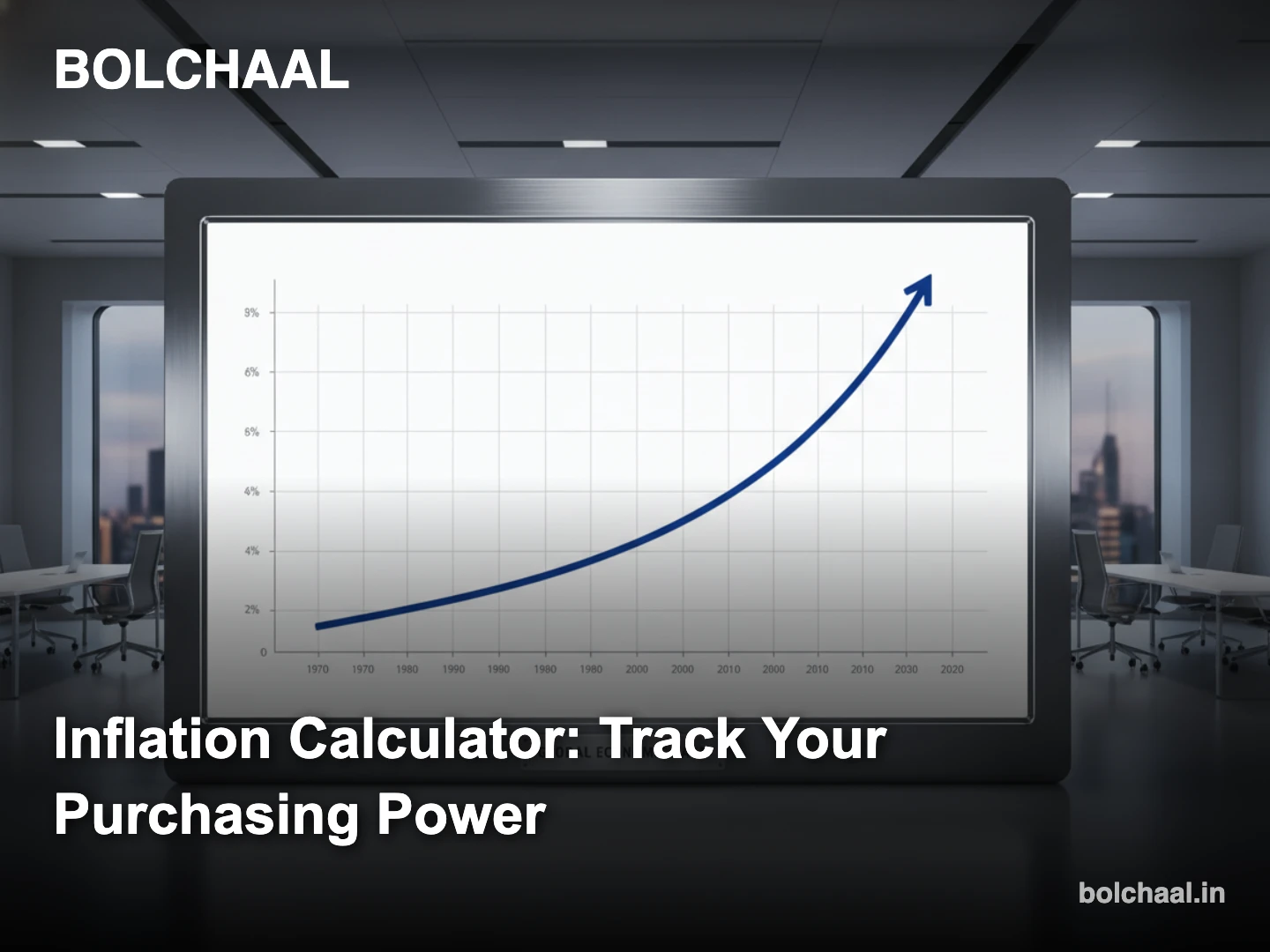
Prices change over time. Your dollar buys fewer goods today than it did ten years ago. This process is inflation. It reduces your purchasing power. Understanding this change helps you plan for retirement, set wages, and manage savings. This calculator shows the impact of price increases on your budget.
How to Use This Inflation Calculator
Follow these steps to determine price changes:
- Enter the initial amount of money.
- Select the starting year.
- Select the target year.
- View the adjusted value in today’s dollars.
The tool uses official Consumer Price Index data to provide accurate results. You see the total percentage increase and the average annual rate.

The Equation of Exchange Explained
Economists use a specific formula to understand why inflation happens. It is called the Equation of Exchange. The formula is MV = PY. Each letter represents a piece of the economy.
- M (Money Supply): The total amount of currency available.
- V (Velocity of Money): How many times a dollar changes hands in a year.
- P (Price Level): The average cost of goods and services.
- Y (Economic Output): The total volume of goods and services produced.
If the money supply grows faster than economic output, prices usually rise. This relationship explains why printing money leads to inflation. When more dollars chase the same number of goods, each dollar loses value.
Real World Examples
Consider the cost of a gallon of milk in 1970. It cost approximately $1.15. By 2023, that same gallon costs over $4.00. This is not because the milk changed. The value of the dollar dropped. If your salary stays the same while prices rise, you are effectively taking a pay cut. Businesses use these calculations to adjust pricing. Governments use them to adjust social security benefits.

Why Inflation Matters for Your Savings
Inflation is a silent tax on your bank account. If you keep cash under a mattress, it loses value every day. An annual inflation rate of 3% means your money buys 3% less next year. To grow wealth, your investments must earn a return higher than the inflation rate. This is your real rate of return. If inflation is 5% and your savings account pays 1%, you lose 4% of your purchasing power annually.
Benefits of Tracking Inflation
- Improve retirement planning by estimating future costs.
- Negotiate better salary increases based on cost of living.
- Identify periods of high price volatility.
- Calculate real investment returns after accounting for price hikes.
High inflation periods require different financial strategies than low inflation periods. Monitoring these trends allows for proactive financial decisions. Use this data to protect your assets from devaluing over time.
Reference Data
The Bureau of Labor Statistics provides the raw data for these calculations. They track thousands of consumer items to build the Consumer Price Index. You can verify historical rates at the BLS website.
Inflation and Debt
Inflation affects borrowers and lenders differently. Fixed-rate borrowers benefit from inflation. They pay back loans with dollars that are worth less than the dollars they borrowed. Lenders lose value because the repaid money has less purchasing power. This dynamic influences interest rates across the United States economy.